

One of the most important aspects of traveling with kids is advanced planning. Begin by researching your destination thoroughly. Look into kid-friendly accommodations, such as hotels with pools, family suites, or places with kitchenettes where you can prepare simple meals. Additionally, check out local attractions and events that are suitable for children to ensure everyone has an enjoyable experience.
By Stefen · 29 Apr 2026
Traveling with kids can be a fun and rewarding experience, but it also requires extra planning and preparation. With a little strategy and creativity, you can ensure that your trip goes smoothly for the whole family. Here are some valuable tips for traveling with children of all ages, ensuring a seamless travel experience that everyone will remember fondly.
 Planning and Preparation are Key
One of the most important aspects of traveling with kids is advanced planning. Begin by researching your destination thoroughly. Look into kid-friendly accommodations, such as hotels with pools, family suites, or places with kitchenettes where you can prepare simple meals. Additionally, check out local attractions and events that are suitable for children to ensure everyone has an enjoyable experience.
Planning your journey also involves determining the best mode of travel. Depending on the distance and your children’s ages, flying might be the best option, or you could opt for a road trip if you prefer flexibility. When flying, check out airlines that provide extra comfort for families, like kid-friendly amenities, priority boarding, and free entertainment.
Packing the EssentialsWhen traveling with children, packing efficiently is crucial. Be sure to bring all the necessities like clothing, toiletries, and any medical supplies, but don't forget the comfort items that will help your child feel secure. This could include a favorite blanket, a stuffed animal, or any other item that will make them feel at ease during the journey.
Consider packing snacks and drinks that your kids enjoy, but also those that will keep them full and energized. Snacks like granola bars, fruit, or crackers are great for long flights or road trips. If your child is still young, bring baby food or formula. Don’t forget a portable water bottle to keep them hydrated, and consider bringing a few healthy snacks that are easy to pack but nutritious.
Make sure to pack extra clothing for your child in case of accidents. Long flights, car rides, or unpredictable weather can lead to messy situations, so it’s always a good idea to be prepared with a fresh set of clothes. For parents of infants or toddlers, packing extra diapers, wipes, and a changing mat is essential.
Traveling with young children can be challenging, especially during long periods of waiting or long journeys. Keeping them entertained is key to a smooth trip. For toddlers and young kids, bringing their favorite toys, books, or games can help pass the time. Simple toys like blocks, action figures, or dolls are easy to carry and can be fun for kids throughout the trip.
For older children, electronic devices such as tablets, e-readers, or portable gaming systems are fantastic travel companions. Download their favorite apps, games, movies, or TV shows before the trip to ensure they have plenty of options to choose from. Just be sure to pack headphones to keep the noise to a minimum and avoid disturbing other passengers during flights or car rides.

Another great way to keep kids engaged during travel is by turning the journey into a fun experience. Road trip games like “I Spy,” scavenger hunts, or trivia games are excellent for getting everyone involved. If you’re flying, apps like SkyKids offer a range of child-friendly entertainment options during the flight.
When you’re traveling with kids, maintaining some semblance of their daily routine can help reduce stress. While it’s important to adapt to new surroundings, try to stick to regular meal times and nap schedules. Kids thrive on consistency, so if they’re used to eating at a certain time or taking an afternoon nap, try to stick to that as much as possible during your travels.
While on vacation, keeping your child's bedtime routine can also help them feel more secure and prevent meltdowns. You might not be able to fully recreate their usual environment, but familiar items like a nightlight, bedtime story, or music playlist can go a long way in easing them into their temporary surroundings.
Expect the UnexpectedEven the best-laid travel plans can encounter unforeseen bumps in the road. Whether it’s a delayed flight, an upset stomach, or an unexpected change in plans, things won’t always go according to the itinerary. This is why flexibility and patience are key when traveling with kids.
Before you leave for your trip, ensure you have the necessary emergency contacts, health insurance information, and travel documents readily accessible. It’s also wise to know where the nearest medical facilities are in case of emergencies, particularly when traveling abroad or to unfamiliar locations.
Bring a well-stocked first-aid kit that includes essentials like band-aids, pain relievers, anti-nausea medication, and any prescribed medication your child may need. Be sure to check with your pediatrician if your child requires any special travel recommendations or health precautions before your trip.
The Power of Positive ReinforcementTraveling with kids is a learning experience for everyone involved. Celebrate small successes along the way, whether it’s handling a long flight without a tantrum or behaving well during a long car ride. Positive reinforcement, like praise, small rewards, or giving them a sense of accomplishment, can encourage your kids to handle the trip better.
This also extends to your kids' involvement in trip planning. Allow them to choose certain activities or restaurants they’d like to experience during the trip. This sense of ownership in the trip’s outcome can make them more excited and engaged throughout the journey.
Dealing with Travel FatigueTravel fatigue is a reality, especially for young kids. Long days of sightseeing or extended travel times can wear down even the most energetic child. Be mindful of your children’s needs and make sure to plan downtime during your trip. Whether it’s a short nap in the hotel room or some quiet time at the park, rest is essential for maintaining energy levels and preventing frustration or over-stimulation.
Make sure to include some relaxed, low-energy activities in your itinerary. Visiting a local museum, enjoying a leisurely walk through a park, or simply spending time in a quiet café can be a welcome break from the hustle and bustle of sightseeing.
Conclusion: Making Family Travel a SuccessTraveling with kids doesn’t have to be a stressful experience. With proper planning, the right attitude, and some patience, your family can enjoy a smooth and fun-filled journey. From packing the essentials to keeping kids entertained and engaged, these tips will help ensure that your family travels are enjoyable for everyone involved. Above all, remember that the journey itself can be just as rewarding as the destination when you approach it as an adventure the whole family can enjoy together.
Subscribe to our newsletter to get our newest articles instantly!

Senior Contributor
Stefen is passionate about impactful storytelling. With a unique voice and deep insights, they turn everyday stories into compelling reads that resonate and inform.
Read Full Bio
Frequent travelers approach saving money very differently from occasional vacationers. Instead of chasing the cheapest deals, they focus on reducing total trip costs through better timing, flexibility, and smarter decisions. These habits allow them to travel more often without increasing their overall spending.***They Focus on Total Cost, Not Just PriceOne of the biggest differences is how experienced travelers evaluate costs. Instead of choosing the cheapest flight or hotel, they calculate the total expense of the entire trip, including fees, transportation, and time efficiency.A low-cost flight with baggage fees and long layovers can often cost more than a slightly higher-priced direct flight. Frequent travelers prioritize value and convenience to avoid hidden expenses.***They Use Timing StrategicallyFrequent travelers don’t rely on guesswork when booking. They understand pricing patterns and book within optimal windows—typically 3–8 weeks before domestic trips.They also prefer midweek travel, early departures, and off-peak seasons, which consistently offer lower prices and fewer crowds.***They Stay FlexibleFlexibility is one of the most powerful tools for saving money. Experienced travelers often adjust their travel dates, destinations, or even airports to take advantage of better pricing.For example, flying into a nearby city and taking a train can significantly reduce costs compared to flying directly into a high-demand destination.Ar202614.webp***They Avoid Hidden CostsFrequent travelers are aware of additional expenses that can quickly inflate a budget. These include resort fees, airport transfers, baggage charges, and dining in tourist-heavy areas.By planning ahead and identifying these costs early, they prevent unexpected spending during the trip.***They Don’t OverscheduleVacationers often try to pack their itinerary with activities, leading to higher costs and fatigue. Frequent travelers focus on fewer, higher-value experiences.They balance paid attractions with free options such as parks, museums, and local events, which often provide equally memorable experiences.***They Manage Food Costs StrategicallyDining is one of the most flexible parts of a travel budget. Frequent travelers save money by mixing grocery purchases with selective dining experiences.Eating lunch instead of dinner at restaurants, avoiding tourist areas, and choosing local eateries are common strategies that reduce costs without sacrificing quality.Ar202615.webp***They Use Rewards WiselyTravel rewards programs can be useful, but frequent travelers use them carefully. They stick to a few airlines or hotel chains and redeem points for high-value bookings.Importantly, they avoid overspending just to earn rewards, treating them as a bonus rather than a primary strategy.***They Compare Bundled and DIY OptionsExperienced travelers evaluate both bundled travel packages and individual bookings. Bundles can simplify planning and reduce costs for short trips, while DIY planning offers more flexibility for complex itineraries.The key is comparing both approaches instead of assuming one is always cheaper.***They Use Technology CarefullyFrequent travelers rely on tools like price alerts and budgeting apps, but they avoid impulse decisions driven by limited-time offers or notifications.Technology supports their planning, but it doesn’t replace thoughtful decision-making.***Real-World ExampleTwo travelers plan the same trip. One chooses the cheapest options for everything and ends up paying additional fees along the way. The other plans strategically, selects better-timed flights, and manages food and transportation costs.The result is often a lower total cost for the experienced traveler, even if the upfront prices were slightly higher.https://www.youtube.com/watch?v=E47FGfv14Mc&pp=ygUxMS4gSG93IHRvIFRyYXZlbCBDaGVhcCAoQmVnaW5uZXIgdG8gUHJvIFN0cmF0ZWd5KQ%3D%3D***ConclusionFrequent travelers save money by thinking beyond individual deals. They use timing, flexibility, and planning to reduce overall costs while maintaining a better travel experience.By adopting these habits, even occasional travelers can significantly improve how they manage travel expenses.
By Abraham Benjamin · 17 May 2026

More Americans are rethinking what it means to take time off. Instead of planning expensive, logistically complex trips, many are choosing staycations—intentional breaks spent close to home. Driven by rising travel costs, limited time, and a desire for low-stress experiences, staycations are becoming a practical and meaningful alternative to traditional vacations.***The Changing Definition of a VacationFor decades, vacations were associated with long-distance travel, packed itineraries, and significant spending. Today, that definition is shifting. A growing number of Americans are realizing that rest and enjoyment don’t require flights, hotels, or weeks of planning.Staycations offer a more flexible and accessible approach to time off. By staying local, individuals can focus on relaxation, personal interests, and meaningful experiences without the pressure of travel logistics.***Why Staycations Are Becoming More PopularSeveral factors are driving the rise of staycations. One of the biggest is cost. Travel expenses—including airfare, accommodation, and dining—have increased significantly in recent years, making traditional vacations less accessible for many households.Time constraints also play a role. Many professionals struggle to take extended time off, and shorter breaks are easier to manage when travel is not involved. Staycations allow people to take meaningful breaks without disrupting their schedules.Ar202632.webp***Lower Stress, Greater FlexibilityTraditional travel often comes with stress—airport delays, packing, strict itineraries, and unexpected costs. Staycations remove many of these challenges, creating a more relaxed and controlled experience.Without the need to coordinate transportation or navigate unfamiliar places, individuals can focus entirely on rest and enjoyment.***What a Modern Staycation Looks LikeA staycation is no longer just staying at home—it’s about creating a purposeful experience. Many people plan activities such as exploring local neighborhoods, visiting museums, dining at new restaurants, or booking short stays at nearby hotels.Some also design themed days, such as wellness-focused routines, outdoor adventures, or digital detox weekends. The goal is to break from routine while staying close to home.***Financial Benefits Without Sacrificing QualityStaycations allow travelers to avoid major expenses like flights and extended hotel stays. This creates an opportunity to reallocate budget toward higher-quality local experiences.Instead of spending on transportation, individuals may invest in spa treatments, premium dining, or entertainment—often resulting in a more enjoyable and personalized experience.***Are Staycations Actually Restful?A common question is whether staying close to home provides the same level of rest as traveling. The answer depends on how the staycation is structured.Setting boundaries with work, planning activities, and stepping away from daily responsibilities are key factors. When treated intentionally, staycations can be just as restorative as traditional vacations.Ar202633.webp***The Role of Technology in Local DiscoveryTechnology has made it easier than ever to explore nearby experiences. Apps and platforms now help users discover local events, hidden restaurants, and unique activities within their own city.This has reduced the perception that staying local means limited options. Many people are discovering new places close to home that they had previously overlooked.***Staycation vs Traditional TravelBoth staycations and traditional travel offer value, but they serve different purposes. Staycations are ideal for short breaks, budget-conscious planning, and reducing stress.Traditional travel, on the other hand, is better suited for major trips, cultural exploration, and long-term vacations. Many Americans are now combining both approaches throughout the year.***Real-World ExampleConsider two individuals with similar schedules. One plans a week-long trip involving flights, hotels, and activities, spending over $2,000. The other takes a four-day staycation, exploring local attractions, dining out, and booking a short hotel stay—spending under $1,000.Both experiences provide enjoyment, but the staycation offers greater flexibility and significantly lower costs.https://www.youtube.com/watch?v=GtiD6_goZCA&pp=ygU2MS4gU3RheWNhdGlvbiBJZGVhcyBUaGF0IEFjdHVhbGx5IEZlZWwgTGlrZSBhIFZhY2F0aW9u***ConclusionStaycations reflect a broader shift in how Americans approach time off. Instead of viewing vacations as occasional, high-cost events, many are embracing smaller, more frequent breaks that fit their lifestyle.By focusing on intentional planning and local exploration, staycations offer a practical and rewarding way to rest, recharge, and enjoy time off without the pressures of traditional travel.
By Stefen · 13 May 2026

Creating the perfect travel itinerary is a key part of ensuring a smooth, enjoyable trip. Whether you're traveling solo, with friends, or with family, having a well-planned itinerary helps maximize your time and experiences at your destination. A good itinerary should balance sightseeing, relaxation, and flexibility so that you can make the most of your vacation.1170a.jpg***Step 1: Choose Your Destination and DatesThe first step in creating a travel itinerary is to decide where you're going and how long you'll stay. Research the destination thoroughly to get an idea of its top attractions, local culture, and climate. This will help you determine the best time to visit and the ideal duration of your trip.Once you've chosen a destination, decide on the dates of your trip. Factor in the season, weather conditions, and any special events or holidays that might impact your visit. Consider off-season travel to avoid large crowds and potentially lower prices.***Step 2: Research Attractions and ActivitiesNext, make a list of the top attractions and activities you want to experience. Whether it’s visiting historical landmarks, exploring national parks, or trying local cuisine, make sure to prioritize the experiences that are most important to you.Do some research on the must-see places and activities, but also allow room for spontaneity. Not everything needs to be pre-scheduled—leave space for unexpected discoveries or a leisurely afternoon in a local café. This flexibility will help you enjoy your trip without feeling rushed.***Step 3: Plan Your Daily ScheduleNow that you’ve compiled your list of attractions, it’s time to organize them into a daily schedule. Start by grouping nearby attractions together to minimize travel time between locations. Consider the amount of time you'll need for each activity and leave buffer time for rest or travel delays.Make sure to balance busy sightseeing days with relaxing downtime. Overpacking your schedule can lead to burnout, so ensure there's time to unwind and enjoy the local atmosphere. Flexibility is key, as some activities might take longer than expected or require adjustments based on weather.***Step 4: Add Transportation DetailsIf you're traveling between cities or countries, make sure to account for transportation in your itinerary. Include details about flight times, train schedules, and car rentals. For local transportation, look into public transport options or consider using ride-sharing apps to get around easily.For each leg of the trip, note the departure and arrival times, as well as any transfer information you might need. This will help you stay organized and avoid confusion during your travels.1170b.jpg***Step 5: Find AccommodationWhen planning your itinerary, it's crucial to select accommodations that suit your travel style and budget. Whether you prefer luxury hotels, cozy bed-and-breakfasts, or budget hostels, research and book your accommodations in advance to avoid disappointment, especially during peak seasons.Consider the location of your accommodations in relation to the attractions you plan to visit. Staying in a central location can save you time and money on transportation, while choosing a more remote area may offer a more peaceful retreat.***Step 6: Add Extra Tips and NotesBefore finalizing your itinerary, add any extra details or tips that may enhance your travel experience. Include important information such as local customs, language tips, and recommendations for restaurants or cafes.If you plan to visit popular attractions, consider purchasing tickets or making reservations in advance to avoid long lines. Make note of any local holidays or festivals that may affect operating hours or availability of services.***Step 7: Stay Flexible and Enjoy Your TripWhile a well-organized itinerary is essential for a smooth trip, it’s important to remain flexible. Travel can be unpredictable, and things may not always go as planned. Don’t stress if you need to make last-minute changes—embrace the unexpected and allow room for spontaneity.Ultimately, the goal of creating the perfect travel itinerary is to strike a balance between planning and flexibility. By carefully considering your destinations, activities, accommodations, and transportation, you can ensure a memorable and stress-free trip. So pack your bags, follow your itinerary, and enjoy the adventure!
By John Michael Smith · 08 May 2026
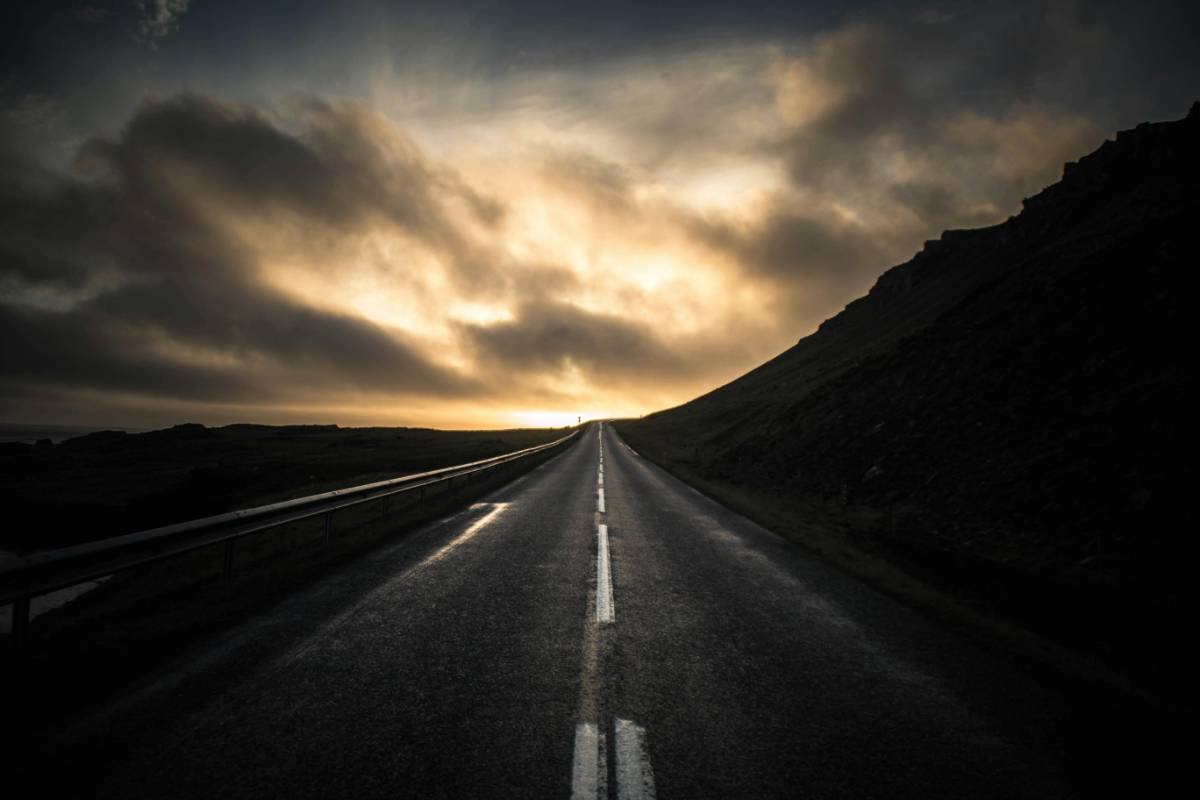
Road trips have always been a favorite way to explore new places, offering freedom, adventure, and unparalleled scenic views. From coastal highways to mountain passes, some of the most scenic drives in the world provide travelers with awe-inspiring landscapes, picturesque small towns, and the thrill of the open road. In this guide, we’ll explore some of the most scenic road trips you can take, both near and far, and offer tips for making the most of your journey.1160a.jpg***Pacific Coast Highway, USAOne of the most iconic scenic drives in the world, the Pacific Coast Highway (PCH) stretches along California's coastline and offers stunning ocean views, rugged cliffs, and charming beach towns. Starting from San Francisco, the route winds south through the picturesque towns of Carmel-by-the-Sea, Big Sur, and Santa Barbara, ending in San Diego.The journey offers plenty of opportunities for sightseeing, including the Bixby Creek Bridge, McWay Falls, and the famous Hearst Castle. With its dramatic landscapes and coastal beauty, the Pacific Coast Highway is a road trip that should be on every traveler’s bucket list.***The Great Ocean Road, AustraliaIf you're looking for a scenic road trip that combines coastal views, lush rainforests, and the Southern Ocean, the Great Ocean Road in Australia is a must-see. Stretching over 240 kilometers (150 miles), the route takes you along Australia's southern coastline, offering breathtaking views of limestone cliffs, sandy beaches, and iconic landmarks such as the Twelve Apostles.As you drive, you'll also pass through charming coastal towns like Lorne and Apollo Bay, as well as the famous Otway National Park. Whether you're into wildlife spotting, hiking, or simply enjoying the ocean breeze, the Great Ocean Road is a road trip that offers something for everyone.***Route 66, USANo list of scenic road trips would be complete without mentioning the legendary Route 66. Stretching from Chicago to Santa Monica, Route 66 is a historic and iconic route that takes you through a diverse range of landscapes, from the bustling cities of the Midwest to the deserts of Arizona and the Mojave.Along the way, you'll encounter quirky roadside attractions, vintage diners, and charming small towns. Stops like the Petrified Forest National Park and the Grand Canyon provide unforgettable scenic views, making Route 66 a road trip that’s not just about the destination, but the journey itself.***The Romantic Road, GermanyFor a road trip that combines beautiful scenery with history and culture, the Romantic Road in Germany is a perfect choice. This 350-kilometer (220-mile) route takes you through charming medieval towns, castles, and stunning landscapes, all while showcasing Germany's rich cultural heritage.The Romantic Road starts in Würzburg and travels south to Füssen, passing through the Bavarian Alps and stopping at famous sites such as Neuschwanstein Castle and the medieval town of Rothenburg ob der Tauber. Whether you’re a history buff or simply love scenic views, this road trip offers a perfect blend of both.1160b.jpg***The Cabot Trail, CanadaNestled in the Cape Breton Highlands of Nova Scotia, the Cabot Trail is one of Canada's most scenic drives. This 298-kilometer (185-mile) route takes you through dramatic cliffs, lush forests, and quaint fishing villages along the coast of Cape Breton Island.The trail offers panoramic views of the Gulf of St. Lawrence and the Atlantic Ocean, with plenty of opportunities for hiking, whale watching, and exploring the local culture. As you drive through the highlands, you’ll be treated to breathtaking vistas that will make this road trip one of your most memorable.***Iceland’s Ring Road, IcelandFor an otherworldly road trip experience, the Ring Road in Iceland is an absolute must. This 1,332-kilometer (828-mile) route circles the island, offering spectacular views of glaciers, volcanoes, waterfalls, and geothermal hot springs. Along the way, you’ll encounter some of Iceland’s most famous attractions, including the Blue Lagoon, the Geysir Hot Springs, and the stunning Skógafoss waterfall.In addition to the unique landscapes, the Ring Road offers a chance to explore Iceland’s charming villages, black sand beaches, and remote wilderness. If you’re an adventure enthusiast looking to experience a dramatic and diverse landscape, Iceland’s Ring Road is one of the best road trips in the world.***The South Island, New ZealandNew Zealand’s South Island offers some of the world’s most picturesque road trips, with its majestic mountains, crystal-clear lakes, and rugged coastline. One of the most scenic routes is the drive from Christchurch to Queenstown, which takes you through rolling hills, dense forests, and the snow-capped Southern Alps.Along the way, you’ll pass through stunning locations like Lake Tekapo, Aoraki/Mount Cook National Park, and the adventure capital of Queenstown. With its natural beauty and breathtaking views, the South Island’s road trips offer endless opportunities for sightseeing and adventure.***Trollstigen, NorwayFor a road trip that combines adrenaline-pumping curves with some of the most stunning natural scenery in Europe, Trollstigen (The Troll’s Ladder) in Norway is a must-see. This 106-kilometer (66-mile) stretch of road winds through the Norwegian mountains, offering dramatic views of cascading waterfalls, deep valleys, and rugged peaks.The road features a series of 11 hairpin bends that offer an exhilarating driving experience. At the top, you’ll be rewarded with panoramic views of the valley below. The surrounding landscape is equally stunning, with fjords, forests, and picturesque villages that make this one of Europe’s most scenic drives.***The Alaska Highway, USA/CanadaFor a road trip that offers remote wilderness and dramatic landscapes, the Alaska Highway is an incredible option. Stretching from Dawson Creek in British Columbia to Delta Junction in Alaska, this 2,390-mile route takes you through the wilds of Canada and the northern United States, offering views of the Rocky Mountains, vast forests, and pristine lakes.Along the way, you’ll encounter wildlife such as moose, bears, and bison, and you’ll have the chance to visit remote towns like Whitehorse and Fairbanks. The highway is not for the faint-hearted, but for those who love adventure and solitude, it’s one of the most rewarding road trips you can take.***Final ThoughtsScenic road trips offer the opportunity to experience a destination from a unique perspective, whether you’re driving through rugged coastlines, picturesque villages, or dramatic mountain ranges. With the right planning, you can turn any road trip into an unforgettable adventure. Whether you're traveling solo or with loved ones, these scenic routes will inspire you to hit the open road and explore the world in the most scenic way possible.
By John Michael Smith · 28 Apr 2026